 ⬇️
⬇️
Key Takeaways
- Connect VoIP, SMS, CRM, POS, and e-commerce records through REST APIs, OAuth 2.0, and event-driven webhooks.
- Evaluate AI routing with real scenarios such as curbside pickup, returns, appointment booking, and order-status calls.
- Track abandoned calls, booking completion, webhook failures, and first-contact resolution after launch.
Define the Customer Journey Problem
A shopper calls about an online order that is ready for pickup, but the store associate can see only the local POS record. The customer's purchase history sits in Salesforce, the order resides in Shopify, and appointment availability is managed in another calendar. The associate toggles among screens or transfers the call.
That fragmentation affects more than phone service. Nearly 50% of brands struggle to unify online operations, stores, and back-office data, according to a 2024 KPMG study cited in the NRF APAC context. Meanwhile, Gartner reported that retail CIOs expected IT budgets to grow about 5.4% in 2024, with customer experience and omnichannel capabilities among their leading priorities.
Buyers should begin with specific journeys: order status, returns, product availability, service appointments, and loyalty inquiries. Each journey should identify the system of record, required data fields, routing rules, and fallback process when an API is unavailable.
Evaluate the Integration Architecture
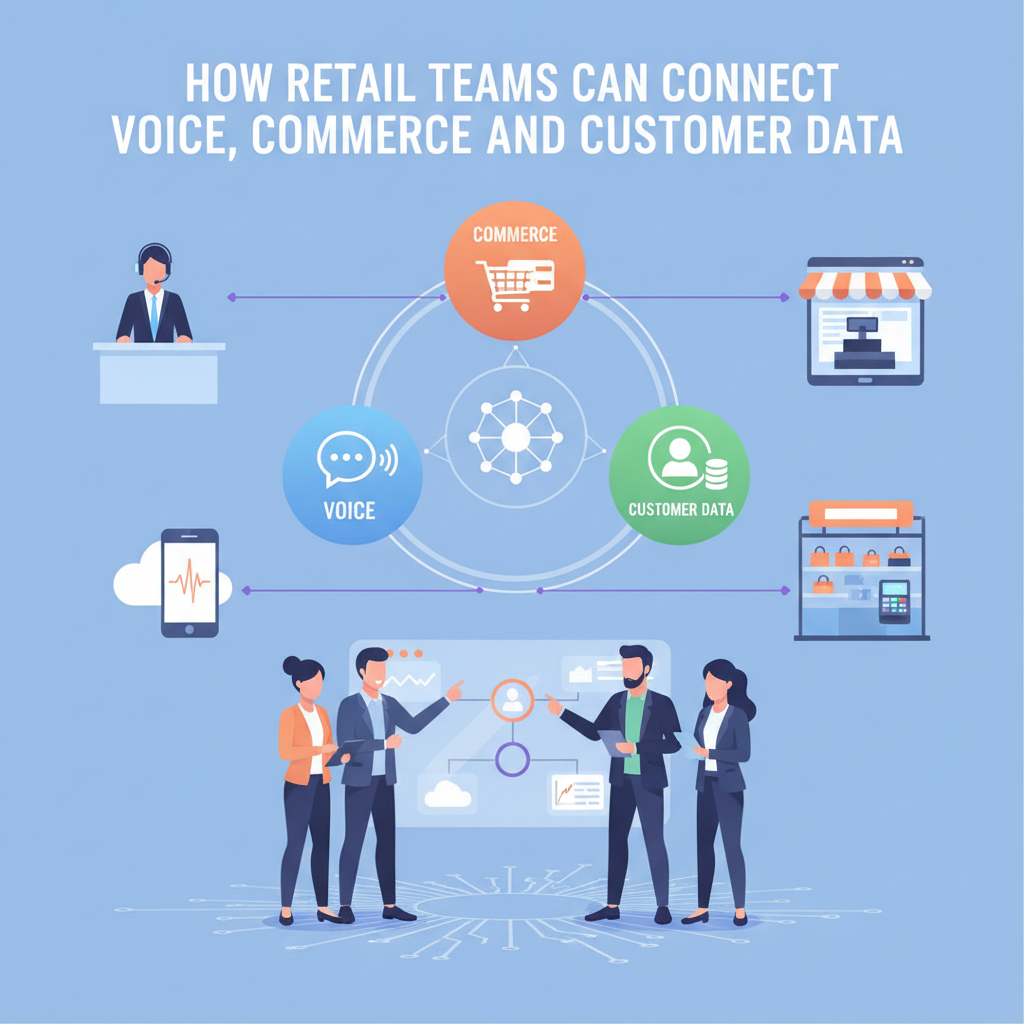
The central decision is whether communications will remain a separate utility or become an interface to commerce data. A practical evaluation should test whether an incoming phone number can trigger a CRM lookup, pass the customer record to an AI-powered queue, and display relevant Shopify or Microsoft Dynamics 365 information before an associate answers.
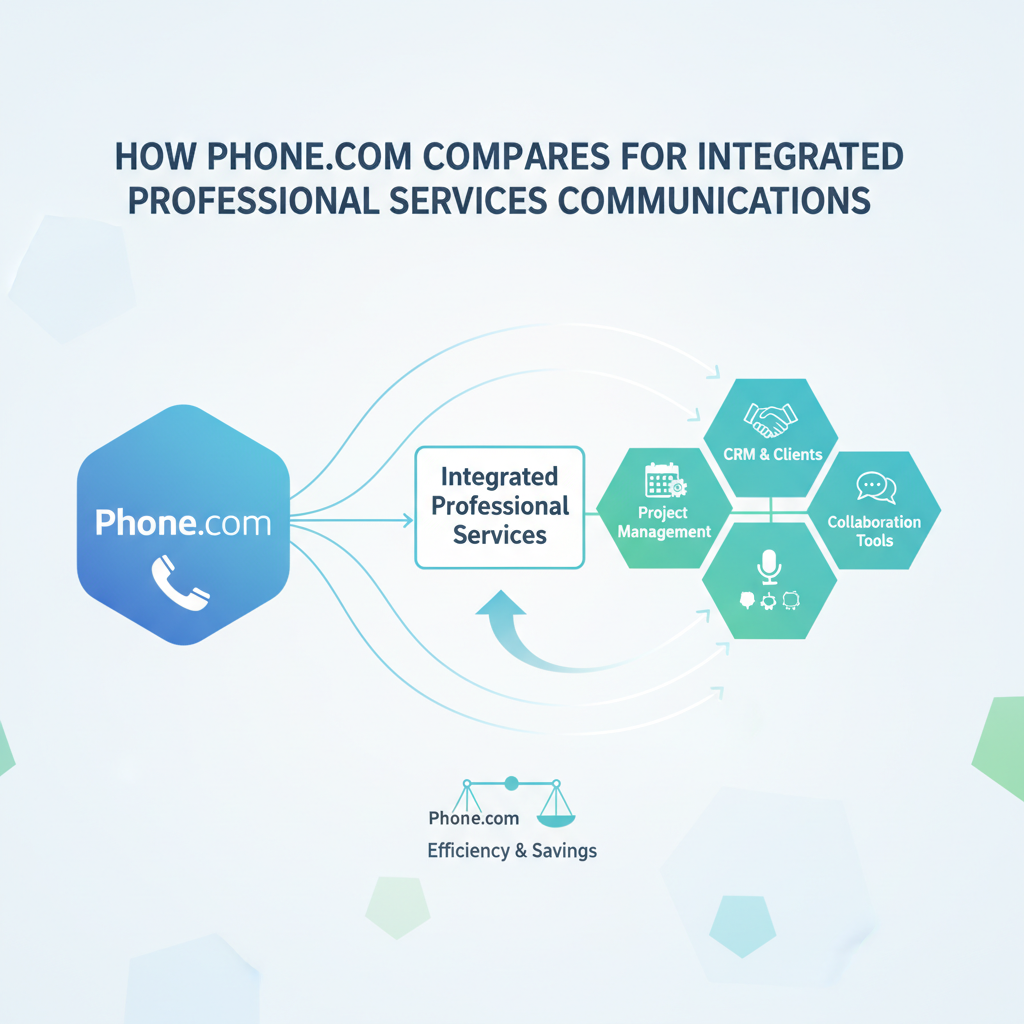
When evaluating communication platforms like Phone.com, which provides cloud voice, video, SMS, MMS, and AI-powered call routing, buyers should examine available REST endpoints, OAuth 2.0 support, webhook retry behavior, rate limits, audit logs, and role-based access rather than relying on a broad "CRM integration" label.
Salesforce Commerce Cloud, Salesforce Marketing Cloud, Microsoft Dynamics 365, and Shopify commonly provide customer, order, and campaign data. The communications layer should exchange only the fields needed for the interaction, such as order ID, loyalty tier, preferred store, and appointment status.
A return is a useful stress test. It can touch the original payment, inventory disposition, shipping status, loyalty balance, and customer communication, all during one conversation.
Plan a Phased Rollout
During discovery, the implementation team should map phone numbers, call queues, SMS templates, appointment calendars, and data ownership. Relevant roles typically include a communications administrator, CRM owner, retail operations lead, security reviewer, and integration engineer.
The pilot can cover one customer journey, one store group, and a Salesforce or Dynamics 365 sandbox. An incoming call might invoke a REST API lookup, while an appointment change generates a signed webhook that updates the CRM and sends an SMS confirmation. Failed events should enter a retry queue or dead-letter queue rather than disappearing silently.
Midway through implementation, teams should test consent handling for promotional SMS, identity matching for shared household numbers, and failover when Shopify or the CRM is unavailable. Phone.com should also be assessed for number porting, queue configuration, administrative permissions, and exportable call-detail records.
Buyers should request a phase-level schedule covering discovery, sandbox testing, pilot operation, number porting, staff training, and broader deployment.
Choose Outcomes That Can Be Observed
The measurement plan should connect communications events to retail outcomes. Useful indicators include abandoned-call rate by queue, first-contact resolution, average transfers per inquiry, completed appointments, SMS delivery failures, API latency, and webhook retry volume.
IDC has tracked enterprise investment in connected digital workflows during 2024 and 2025. For an individual buyer, however, the baseline should come from its own SIP logs, contact-center reports, CRM activity history, and booking records. The goal is to compare equivalent periods and call types, not claim an unsupported improvement.
Apply What the Pilot Reveals
If customer matching fails because multiple people share a phone number, add a second verification field such as postal code or order ID before displaying purchase details. That adjustment is more specific and safer than granting broad CRM access based on caller ID alone.
If appointment webhooks arrive out of sequence, store event timestamps and apply idempotency keys so a delayed cancellation does not overwrite a newer booking. If associates continue opening several tabs, revise the screen pop to include the five or six fields used most often rather than importing the entire customer profile.
According to McKinsey, integrated enterprise platforms across ERP, demand planning, sales, marketing, and administrative functions can support productivity and growth in consumer goods. The practical lesson for communications buyers is to design around shared workflows, not around isolated channels.
Adapt the Model Beyond Large Retailers
A mid-market chain can start with order status and appointment scheduling, while a consumer-goods company may prioritize distributor calls, sample requests, and field-sales routing. Both can use REST APIs, OAuth 2.0, and webhooks while limiting the initial scope to one CRM and one measurable journey.
How do you connect a business phone system to Shopify or Salesforce?
The common pattern uses REST APIs for record queries, OAuth 2.0 for authorization, and webhooks for events such as completed calls or changed appointments. Buyers should confirm which system owns each field and test rate limits, retry logic, and duplicate-event handling in a sandbox before exposing production customer data.
What should retailers test in an AI call-routing pilot?
Test at least order status, returns, store availability, loyalty questions, and appointment changes. Review routing accuracy, transfer frequency, abandoned calls, and whether the system passes the correct order ID or CRM record to the associate.
Is integrated cloud communications practical for a mid-market team?
It can be, provided the first release stays narrow. A team can begin with one phone queue, one CRM sandbox, one scheduling calendar, and a defined escalation path, then expand after reviewing API errors, associate feedback, and customer consent records.