 ⬇️
⬇️
Key Takeaways
- The company raised $2 million to accelerate international expansion and ramp up production in India
- The organization is entering a fast-growing global smart lock market projected to exceed $8.14 billion by 2030
- New product developments position the firm for expanded B2B logistics and industrial security adoption
IKIN Global's latest $2 million funding round arrives as IoT security hardware scales quickly worldwide. The company plans to use the newly raised capital to expand into the US, Europe, and West Asia while increasing production capacity and strengthening its team in India. Demand for connected access devices continues to grow across logistics, oil and gas, and broader supply chain environments.
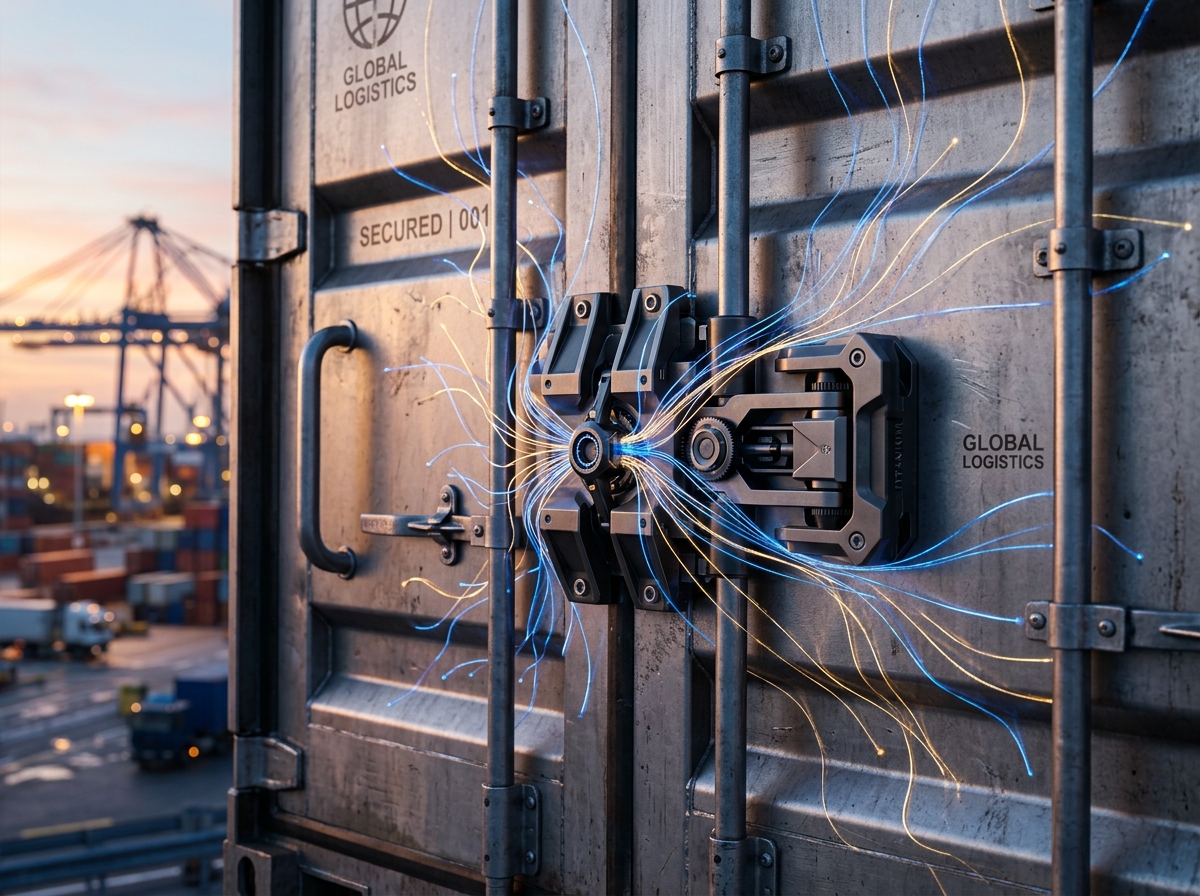
Founded in 2012, the company builds smart locks and reusable bolt seals designed to detect tampering, track geography, and relay real-time alerts. That combination has helped the startup gain traction with high-volume operators such as Amazon, Swiggy, Flipkart, Zepto, Blue Dart, Licious, and Sequel Logistics. A large portion of modern cargo movement still depends on traditional padlocks and single-use plastic seals, methods that often lack the visibility required to mitigate contemporary supply chain risks.
According to market projections, global smart lock revenue is expected to rise from about $2.77 billion in 2024 to $8.14 billion by 2030. North America is projected to hold roughly 37% of deployments by 2035, and Europe continues to show strong adoption momentum, with Germany estimated to grow at around a 10.5% CAGR through 2036. While consumer smart homes generate significant visibility, logistics and industrial environments are increasingly adopting similar technologies.
Analysts at sources like Gartner have noted in past reports that connected physical security systems tend to accelerate once interoperability improves. Logistics operators require devices that work consistently across regions and fleet types. For companies like IKIN Global, this requirement frequently shapes product architecture. Interoperability expectations in B2B IoT deployments regularly reference low-power wireless frameworks documented by the IEEE and compatibility with Bluetooth Low Energy protocols. Those specifications influence device battery life, signal reliability, and security baselines that procurement teams evaluate during pilots.
From a cybersecurity standpoint, connected hardware on trucks, shipping containers, or warehouse gates introduces exposure that organizations must actively manage. Guidance frameworks provided by groups such as the NIST have become common reference points for device identity, secure update processes, and data handling expectations. While the hardware provider is not positioning itself exclusively as an enterprise cybersecurity company, its devices rely on these principles to build trust in international deployments. Multi-layer security strategies remain standard practice, as no single vendor can guarantee absolute network resilience.
The company offers smart locks and bolt seals that detect tampering and send alerts in real time to a central dashboard. By integrating geo-fencing, mobile-based access control, and digital audit trails, these solutions allow businesses to monitor cargo movement and improve security. For operators accustomed to single-use plastic seals, transitioning to reusable IoT devices alters the cost and environmental equation while shifting the focus toward decision-ready data and real-time visibility.
Global organizations like the World Economic Forum have published analyses on the rising need for digitally traceable supply chains. As cargo flows increase across borders, digital audit trails often become a regulatory necessity rather than a supplementary feature. Advanced locking mechanisms address theft prevention while synchronizing inventory data, supporting customs compliance, and verifying last-mile accuracy.
In the next 12 to 18 months, the firm intends to pursue market-specific certifications for global deployments, navigating standards that vary significantly across the US, Europe, and West Asia. The company also plans to introduce new product developments and expand into new verticals, specifically building a comprehensive security platform tailored for the oil and gas sector in India, where high-value cargo, remote infrastructure, and strict safety standards create complex security needs.
Rapid expansion introduces standard hardware scaling risks, from prolonged procurement cycles to integration challenges with existing fleet management systems. However, the combination of a growing global market, referenceable enterprise clients, and maturing hardware provides a clear runway for broader commercial adoption.
Broader market indicators support this trajectory. Forecasts for the global smart door lock segment show an expected rise from $4.22 billion in 2026 to $17.75 billion by 2034. Commercial and residential demand both contribute to this trend. For logistics-focused devices, the opportunity expands as operators seek more visibility over cargo in motion. The startup's international push enters that environment, aiming to convert regional traction into a sustained footprint across multiple continents.