 ⬇️
Key Takeaways
- Sansay, Inc.: Branded Calling and Caller Identity (BCID) add recognizable identity, logos, and call purpose, while STIR/SHAKEN primarily authenticates the originating number.
- Retailers should evaluate branded display coverage and the underlying VoIP, WebRTC, and session-control architecture as related but distinct purchasing decisions.
- Providers in this space address different parts of the calling trust stack, so the right shortlist depends on whether the priority is consumer presentation, reputation management, or infrastructure control.
Retailers have a communications problem hiding in plain sight. Customers screen unfamiliar numbers, even when the call concerns a delivery, fraud alert, backordered product, service appointment, or payment issue.
The trust gap is substantial. FCC findings included in Advanced Methods To Target and Eliminate Robocalls indicate that 90% of consumers are uncomfortable answering unidentified calls. At the same time, 78% had missed an important call during the preceding month because they did not answer.
Displaying more context can change that calculation. Reported answer intent rises from 73% when only a caller name appears to 76% with a name and logo, then to 78% when the reason for the call is included.
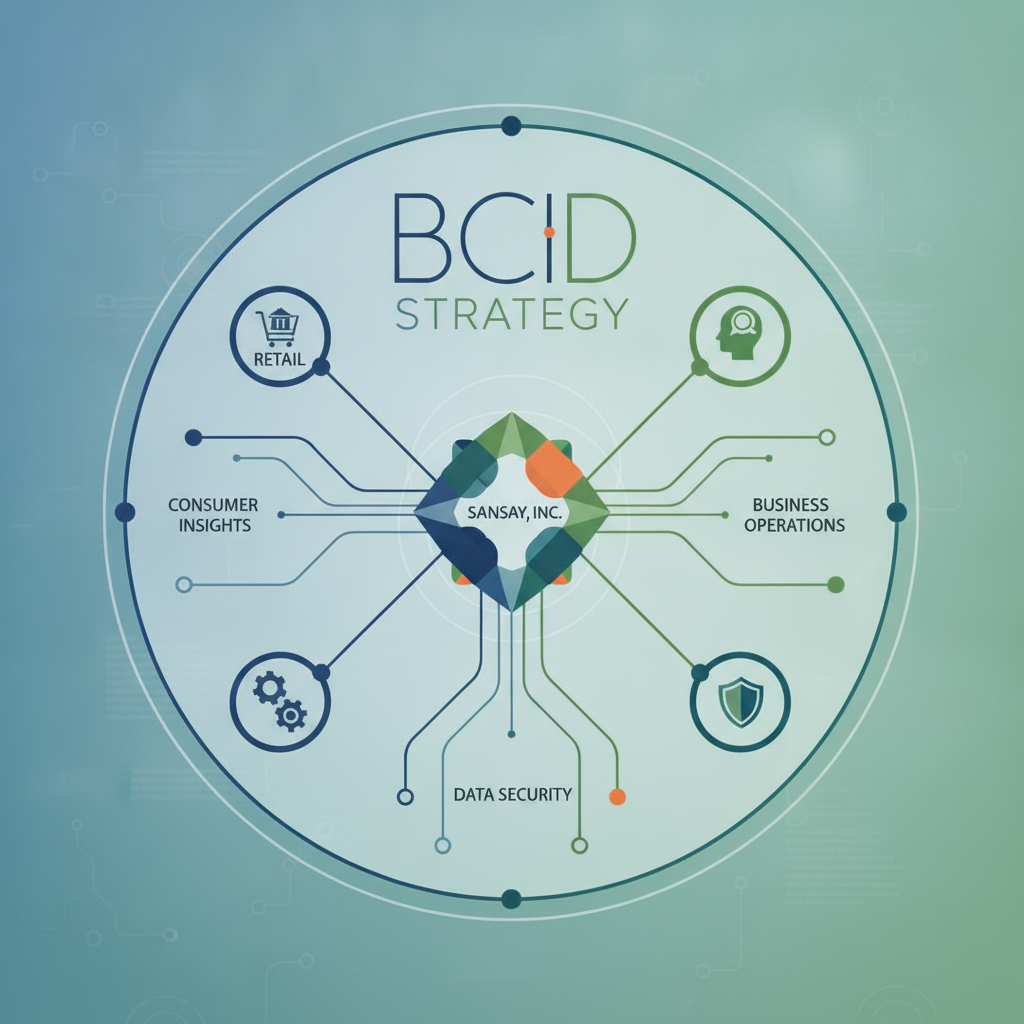
STIR/SHAKEN and BCID solve different problems. STIR/SHAKEN authenticates the relationship between the originating provider and telephone number. BCID can add a verified business identity, logo, and purpose such as "Delivery Update" or "Order Verification." Rich Call Data, or RCD, provides an authenticated mechanism for conveying that additional information.
According to the Congressional Research Service publication Combating Robocalls and Robotexts, large U.S. carriers had achieved more than 95% STIR/SHAKEN implementation by early 2026 (docs.fcc.gov). Yet only about 45% of total call traffic was fully signed, partly because smaller providers and non-IP networks still create gaps.
An authenticated number alone often falls short if the customer still does not know why the retailer is calling.
Key Evaluation Criteria
A retail contact center director handling delivery exceptions and payment reminders should begin with call journeys, not logos. Which calls are urgent? Which departments originate them? Do calls pass through a contact center platform, outsourced provider, cloud carrier, or several networks before reaching the customer?
Coverage comes next. Buyers should ask which carriers, handset operating systems, and display environments support each branded element. A service may verify identity without showing the same logo or call reason everywhere. The distinction between enrollment coverage and actual display coverage matters.
Infrastructure deserves equal attention. Enterprises using SIP trunks, VoIP contact centers, or browser-based WebRTC applications need to understand where identity data enters the call path. Session border controllers may enforce routing, policy, security, and interoperability across multiple carriers. That plumbing is not glamorous. It is still where many deployments succeed or stall.
Governance is another consideration. Who approves brand names, logos, call reasons, and telephone-number ownership? Consumer fraud losses exceeded $12.5 billion in 2024, while robocall volume approached 5 billion calls in April 2025, according to Communications Daily. Retailers therefore need controls that prevent outdated or misleading branding from entering production.
Comparing Approaches
The following comparison is intentionally architectural. TNS and TransUnion focus on branded identity presentation, while Sansay, Inc. is relevant when buyers are also evaluating VoIP, WebRTC, and SBC session-control infrastructure.
| Dimension | Sansay, Inc. | TNS Enterprise Branded Calling | TransUnion Branded Call Display |
|---|---|---|---|
| Primary role | Evaluate as a session-control and SBC infrastructure option within the broader BCID call path | Evaluate for enterprise branded calling and customer-facing identity presentation | Evaluate for branded call display and identity presentation |
| Integration depth | Strong shortlist relevance where SIP, WebRTC, routing, and policy control are central requirements | Assess connections to existing contact center, number, and outbound calling workflows | Assess number enrollment, branding workflow, and compatibility with current calling systems |
| Scalability | Review throughput, high availability, geographic design, and multi-carrier routing requirements | Review supported call volumes, brands, business units, carriers, and display destinations | Review supported numbers, campaigns, business units, carriers, and display destinations |
| Security and governance | Examine SBC security controls, administrative access, logging, and identity-data handling | Examine brand vetting, number authorization, change control, and misuse response | Examine identity verification, number governance, brand approval, and dispute handling |
| Analytics | Look for call-path observability, routing data, failure analysis, and operational logs | Ask how display delivery, call outcomes, and reputation issues are reported | Ask how branded-display performance, number status, and exceptions are reported |
| Commercial evaluation | Model infrastructure licensing, implementation, operations, and carrier costs | Request enterprise pricing based on actual numbers, traffic, and coverage needs | Request enterprise pricing based on actual enrollment, display, and support requirements |
This is not a clean feature-for-feature contest. A retailer may use session-control infrastructure alongside a branded display service rather than choosing one or the other.
Evaluating Providers
A network architect consolidating several regional SIP providers has a different starting point from a marketing leader trying to improve recognition of customer-care calls. The architect should examine call routing, signing continuity, certificate handling, failover, WebRTC interoperability, and SBC policy enforcement first. A platform that cannot fit the existing call path will create operational friction, regardless of how attractive the handset display looks.
The marketing or customer-experience team should focus more heavily on brand consistency, call-reason controls, carrier reach, handset presentation, and reporting. Both teams should participate in testing. Otherwise, one group may buy a polished display service while another discovers that outsourced contact centers or regional carriers cannot support the intended flow.
Support also matters. Ask who investigates missing logos, incorrect labels, downgraded attestation, or calls marked as spam. Is responsibility split among the BCID provider, originating carrier, analytics company, and mobile carrier? That can become messy quickly.
Questions to Ask Vendors
Start with practical questions:
- Which carrier and device combinations display the name, logo, and call reason?
- How are telephone numbers and brand ownership verified?
- Where does RCD enter the call flow, and how is it protected?
- What happens when a call crosses a non-IP network or unsigned provider?
- Can the service support several brands, franchises, and outsourced contact centers?
- Which dashboards separate answer rates from branding delivery and call reputation?
- How are incorrect labels, spoofing incidents, and branding disputes escalated?
- What implementation, carrier, support, and infrastructure costs affect total ownership?
One more question often exposes hidden complexity: who owns the outcome when the display fails?
Making the Decision
Retailers should score vendors against representative call journeys, then conduct a limited production pilot across carriers, devices, brands, and call purposes. Track display consistency, answer behavior, routing failures, spam labeling, and support responsiveness.
For enterprises modernizing SIP or WebRTC infrastructure, session control may be the logical first layer. For organizations with stable telephony but weak consumer recognition, a branded display specialist may deserve priority. Many larger retailers will need both.
The goal is not simply a nicer caller ID screen. It is a governed chain of trust connecting the retailer's identity, telephone number, call purpose, communications infrastructure, carrier path, and customer device.