 ⬇️
Key Takeaways
- Oracle says financing for its OpenAI contract is complete and does not depend on further vendor discussions.
- The Abilene campus is nearly complete, while the permitted Shackelford campus is preparing to receive NVIDIA Vera Rubin racks.
- Oracle expects positive free cash flow in the second half of FY2028 and is targeting more than $30 billion in FY2029.
Oracle has moved to quell questions about how it will finance the infrastructure required under its OpenAI contract, saying its planned funding is now in place following a final capital raise earlier this month.
The declaration matters because AI infrastructure agreements are becoming tests of balance-sheet capacity as much as technical execution. Training and serving advanced models requires data centers, power, networking equipment and large volumes of accelerators. Even for a hyperscaler, lining up those elements on a compressed schedule can create financing and delivery risks.
Oracle said it has become the first hyperscaler fully funded for the current investment cycle. The financing package outlined at Oracle Investor Day, including vendor financing, is in place, according to the company. Additional private discussions with vendors would provide optional funding rather than capital required to perform the OpenAI contract.
That distinction is central to Oracle’s message. The company is not merely saying that it expects to find the money. It is saying that the capital needed for the contracted buildout has already been secured. Oracle also pushed back directly against prospective media reports suggesting otherwise, characterizing such claims as incorrect.
Investors will still want to examine how the financing flows through Oracle’s debt, capital expenditure and cash-flow profile. The company’s financial disclosures, available through Oracle Investor Relations, provide the formal backdrop for assessing its spending plans, while Oracle’s filings with the U.S. Securities and Exchange Commission offer the more detailed view of obligations and financial performance.
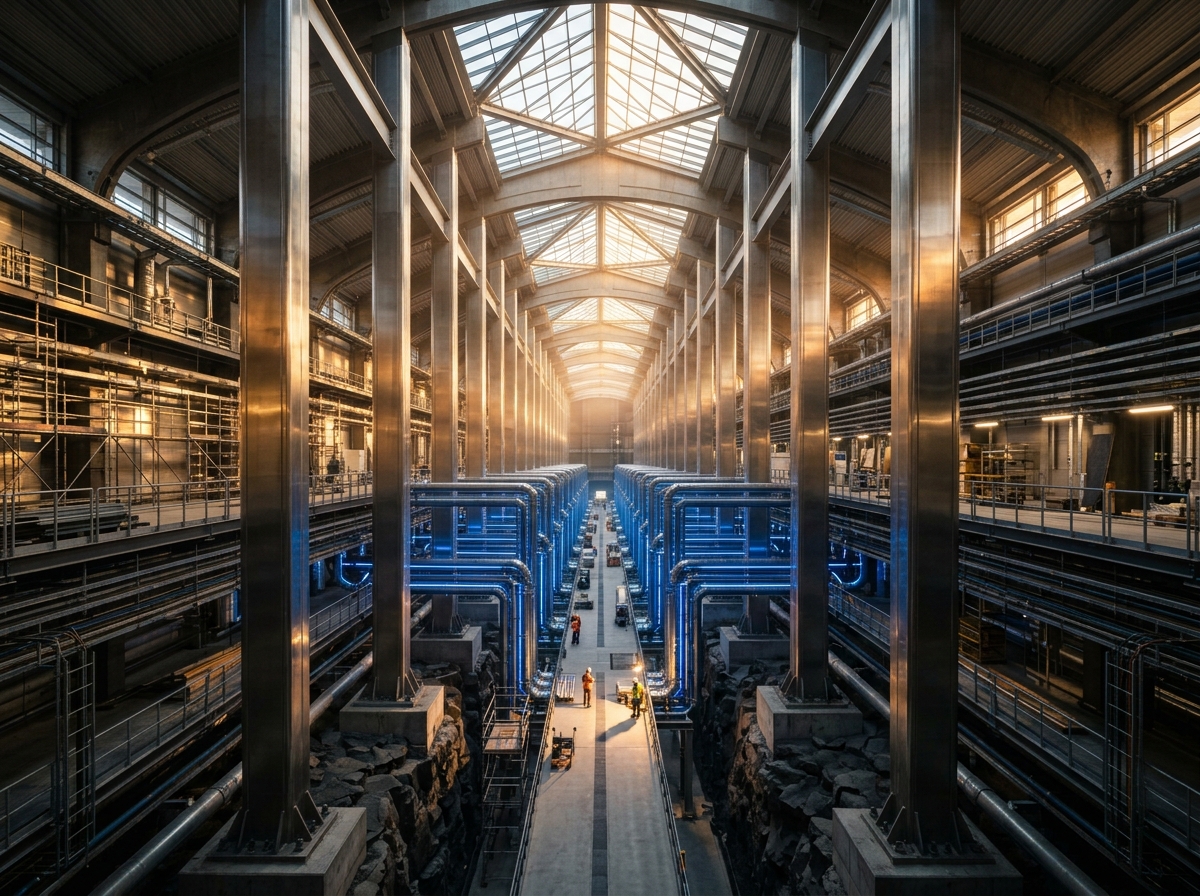
Funding is only one part of the equation. Oracle now has to convert capital into functioning capacity, with data halls, power systems, cooling infrastructure and computing racks arriving in the correct sequence. A financed campus that misses its equipment or energy schedule still cannot run AI workloads.
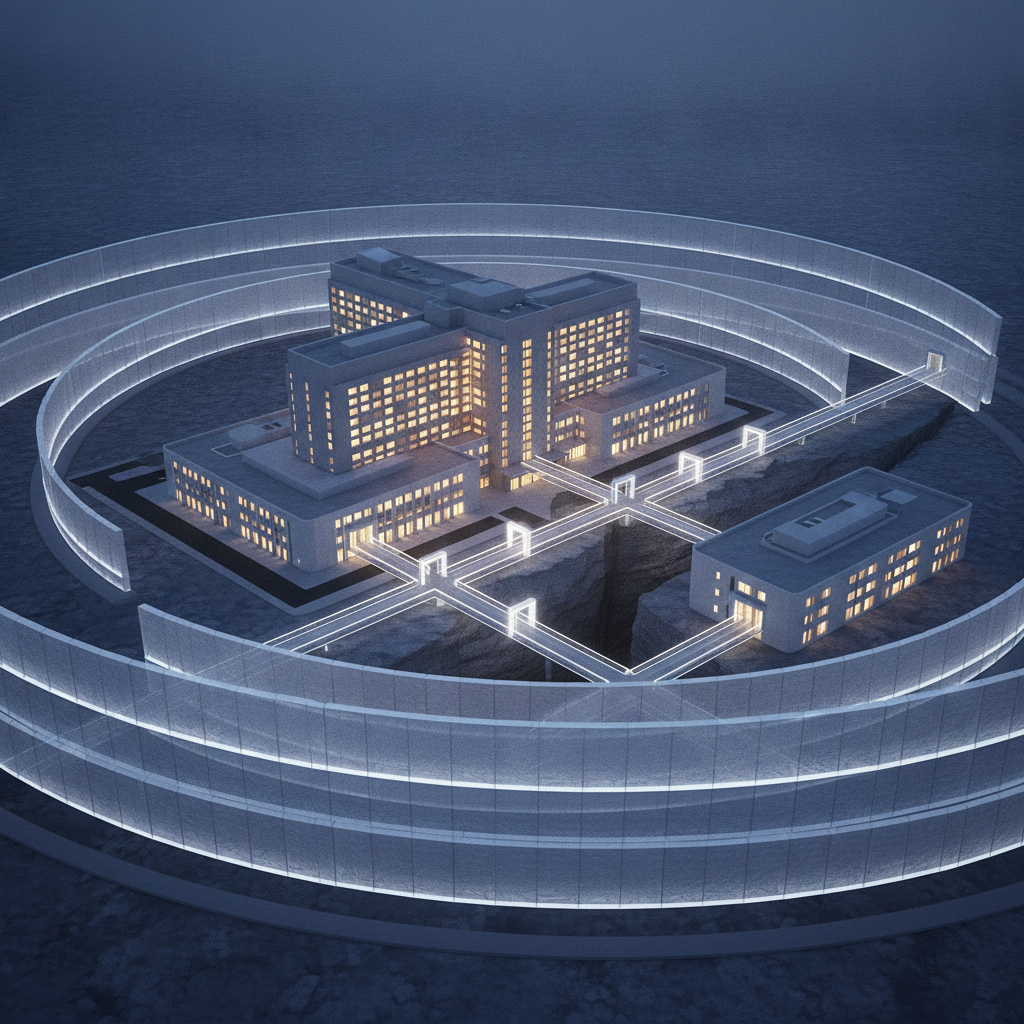
On that front, Oracle reported progress at two major sites. Its Abilene campus, where Astra-6 was trained, is nearly complete. Shackelford, described as Oracle’s next gigawatt-scale campus, has received all required permits. The company said the handover of NVIDIA Vera Rubin racks in the Shackelford data halls remains on track for the coming weeks.
The reference to Vera Rubin also points to the tight coordination required among Oracle, OpenAI and NVIDIA. Rack delivery is not an isolated procurement milestone. It affects installation, networking, testing and the point at which usable computing capacity can be made available. NVIDIA positions Vera Rubin as a data-center platform for increasingly demanding AI workloads, making the handover a required operational step for bringing Shackelford online.
What should enterprise technology buyers watch next? Physical completion is the obvious marker, but commissioning speed may be just as important. New AI campuses have to move from construction status to stable production, and that transition can expose constraints that are less visible during the financing phase.
Oracle’s cash-flow timetable provides another benchmark. The company continues to expect positive free cash flow in the second half of FY2028. It is targeting more than $30 billion in free cash flow in FY2029 and expects to begin self-funding future growth that year.
That projection sets up a fairly clear test. Near-term expansion is being supported by the capital structure Oracle has assembled, including vendor financing. By FY2029, management expects the resulting business to generate enough cash to support subsequent growth internally. The plan therefore depends not only on building infrastructure, but also on turning that capacity into durable revenue and cash generation.
For OpenAI, Oracle’s statement reduces at least one area of uncertainty around contracted infrastructure. For Oracle, it raises the emphasis on delivery. Financing has been presented as settled; campus completion, rack deployment and the path to positive free cash flow are now the milestones likely to receive the closest scrutiny.