 ⬇️
⬇️
Key Takeaways
- Hospitals that adopt IoT-based telemetry often aim to reduce unplanned downtime in imaging equipment that typically runs 8 to 12 operating hours per day.
- Buyers frequently evaluate platforms that can handle HL7 or FHIR integrations, especially when syncing data back into CMMS or EHR environments.
- Teams planning predictive maintenance usually scope data ingestion needs early, since MRI or CT platforms can generate several gigabytes of system logs per day.
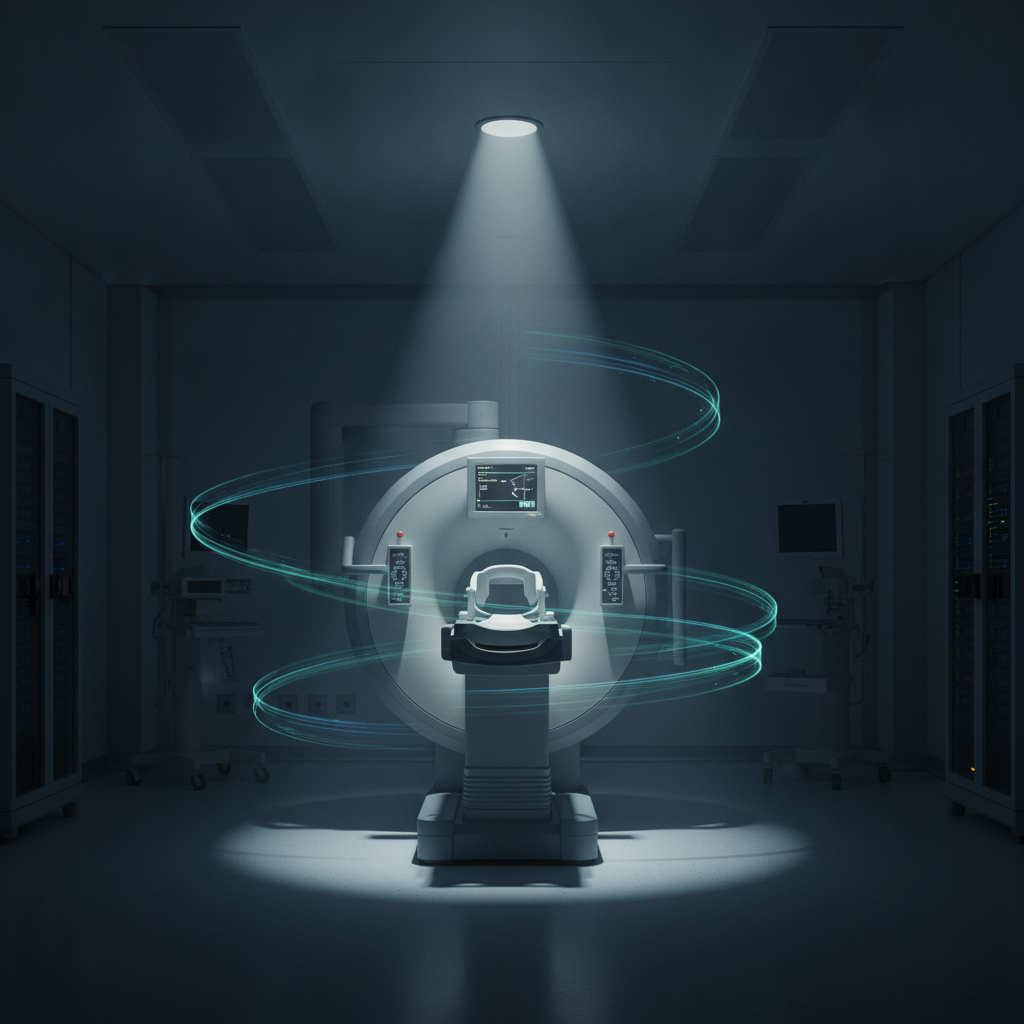
A CT scanner dropping out of service during peak scheduling creates immediate ripple effects. Patients wait, clinical staff scramble, and administrators absorb the overflow. That operational tension explains why healthcare providers are moving toward condition-based servicing. According to Allied Market Research, the global predictive maintenance market for healthcare is projected to grow at a 25% to 30% CAGR through 2030. Research referenced in sources like Facility One shows a broad push toward IoT-enabled facilities programs. Healthcare organizations increasingly view advanced telemetry as a practical route to stabilize high-value equipment, especially imaging systems and critical monitoring devices.
Problem to Solve
High-utilization devices frequently experience intermittent faults that are difficult to reproduce. For example, MRI cooling subsystems may show temperature drift only during long scan sequences, while centrifuges might generate vibration anomalies that appear near the end of their lifecycle. Relying solely on scheduled maintenance often results in missed early warnings, since minor deviations rarely trigger traditional service thresholds. A 2022 AAMI survey of clinical engineering leaders found that over 70% view condition-based or predictive maintenance as critical to managing aging equipment, yet fewer than 30% report mature implementations.
Unplanned downtime costs accumulate quickly in tightly packed imaging suites, where a single unanticipated outage disrupts dozens of appointments. According to Matterport, even non-clinical facility problems tend to cascade into operational delays when left unmonitored. When each vendor delivers telemetry in a proprietary format, unifying data for proactive service becomes an operational bottleneck.
Evaluation Approach
Buyers usually begin by defining which device classes merit advanced monitoring. MRI fleets are commonly first in line due to the heavy operational impact of failures; GE Healthcare analysis shows that predictive maintenance can increase MRI uptime by roughly 2.5 days per system annually and reduce unplanned downtime by up to 60%. Scoping typically includes assessing available data from each device type, balancing legacy devices that transmit logs over serial connections with newer platforms that stream metrics through REST APIs or MQTT.
Teams evaluate predictive analytics platforms that support structured data ingestion, time-series databases, and algorithms tuned for anomaly detection. A critical evaluation point is integration with enterprise CMMS systems, checking whether the predictive platform generates service tickets automatically or merely notifies the HTM group. Integrations based on HL7 or FHIR help synchronize maintenance events across clinical and operational systems.
Research from Voler Systems highlights the need for secure connectivity and standardized telemetry models. Buyers assess how platforms handle encryption, role-based access, and patching schedules. For teams adhering to IEC 80001, meticulous examination of network architecture ensures effective medical device risk management.
Implementation Considerations
Deploying these systems involves sequential technical and operational steps. Initially, technical teams map each device to a network path, confirm data transmission formats, and validate timestamps against NTP sources. Imaging systems often require dedicated VLANs, requiring early networking group involvement. If a hospital adopts a solution from a provider like Senzary LLC, teams evaluate whether the platform can normalize telemetry from heterogeneous devices spanning different equipment generations.
Next, analytics parameters are tuned so the system distinguishes benign operational variance from actionable anomalies. MRI compressor cycles generate natural fluctuations that should not be flagged. Teams rely on manufacturer specifications and historical logs to set initial thresholds, refining them based on observed behavior.
As data is routed into CMMS workflows, organizations often establish bi-directional integration. Service tickets opened by HTM staff feed back into the analytics platform, allowing models to correlate interventions with subsequent performance. Provider-specific systems, such as those offered by Senzary LLC, often support this correlation layer even when equipment vendors use different protocols.
Finally, clinical engineering teams conduct tabletop exercises to interpret anomaly reports, walking through a heating trend in a CT tube assembly or a battery failure signature in a portable ventilator. These sessions help technicians internalize what constitutes a meaningful predictor versus routine equipment noise.
Outcomes to Measure
Mean time between service events commonly stabilizes when early warnings are addressed promptly. Imaging throughput becomes more predictable when minor failures are avoided. According to HIMSS Analytics, hospitals with advanced IoT medical device programs see maintenance-related device downtime reduced by 20% to 25% on average. Additional published industry research indicates connected medical device programs observe broad reductions in maintenance-related downtime, dependent on the specific environment and device mix.
Buyers also track how many anomaly alerts translate into genuine interventions. A high false-positive rate signals that thresholds need adjustment or additional contextual data is required. Teams measure the time required to move from alert to ticket creation, monitoring whether integrations are efficiently streamlining CMMS workflows.
Buyer Takeaways
Establishing clean data ingestion early prevents downstream rework. Treating telemetry normalization as a foundational step reduces noise in the data pipeline. Executive sponsors benefit from periodic check-ins during rollout to identify scope gaps before they expand into implementation delays. Cross-functional alignment among HTM, clinical staff, networking teams, and data analysts ensures that when anomalies are detected, the appropriate operational actions immediately follow.
Broader Applicability
Organizations in manufacturing, utilities, and education that operate fleets of critical equipment frequently apply similar predictive maintenance principles. They rely on telemetry standardization, incremental rollout sequencing, and alignment between operational teams and analytics staff to minimize disruption.
How long does predictive maintenance implementation take?
Rollout duration varies by equipment type and data complexity. Hospitals that focus on a single device class often move faster because telemetry patterns are easier to model. Environments with multiple legacy systems require more time to unify data sources, but progress steadily once ingestion and network paths are stable.
What is the difference between condition-based and predictive maintenance?
Condition-based maintenance triggers actions when a specific sensor reading crosses a threshold. Predictive maintenance analyzes patterns over time to anticipate future failures before thresholds are breached. Many healthcare teams adopt both, using simple rules for straightforward devices and advanced models for high-value systems like MRI or CT fleets.
Is predictive maintenance realistic for small or mid-sized hospitals?
Yes, although the evaluation criteria differ slightly. Smaller hospitals target a limited set of high-impact devices first. They prioritize monitoring data volume, integration demands, and whether the platform automates ticket creation. Choosing systems that support common protocols such as HL7 or FHIR simplifies adoption without overloading existing teams.